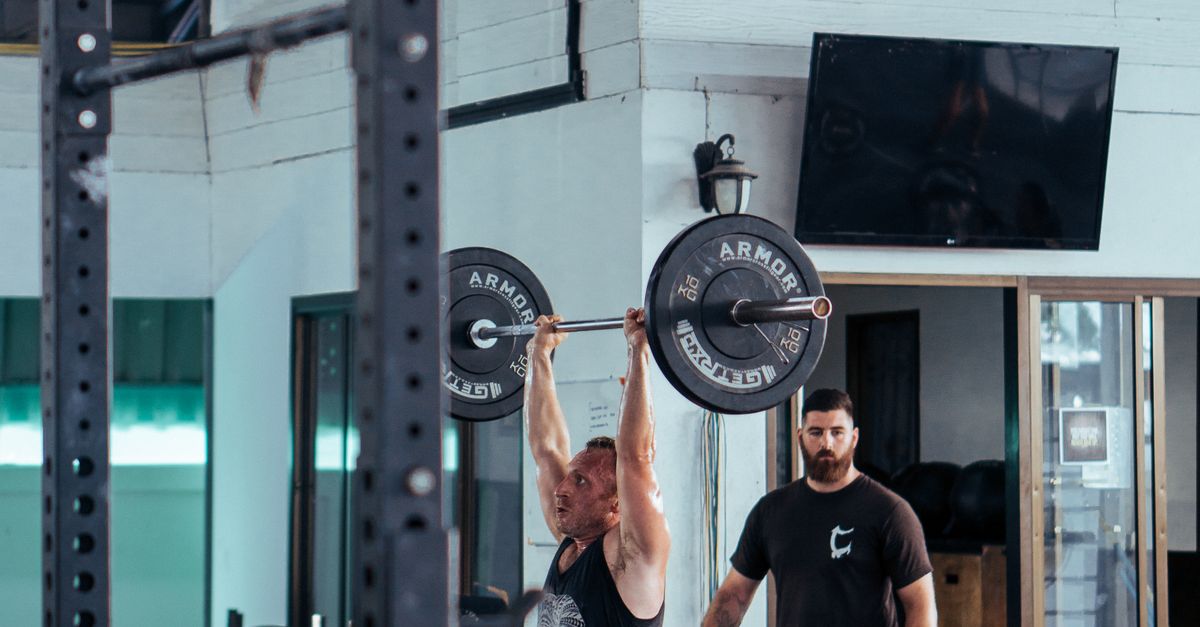
Group Dynamics in Circuit Training: Enhancing Teamwork
Table Of Contents
Motivation Through Group Dynamics
Engaging in circuit training as part of a group can significantly elevate motivation levels among participants. The collective energy generated during group workouts contributes to a shared sense of accountability. When individuals see their peers pushing through challenges, it can inspire them to elevate their own performance. This environment not only fosters competition but also encourages camaraderie, leading to improved outcomes for everyone involved.
Additionally, the social aspect of participating in a group can reshape one's perspective on physical activity. Sharing experiences and celebrating milestones together fosters a supportive atmosphere. Participants are more likely to remain committed to their fitness journeys when they feel a sense of belonging. The encouragement from fellow circuit training members serves as a powerful motivator, helping individuals to persist through tough workouts and stay focused on their goals.
How Team Energy Influences Individual Performance
In a circuit training environment, the collective spirit of the group can significantly elevate individual performance levels. The energy and enthusiasm emanating from teammates often motivate participants to push beyond their perceived limits. When individuals observe others exerting effort, they too tend to increase their intensity, leading to an overall heightened experience for everyone involved. This synergy creates an environment where mutual encouragement flourishes, making the workout feel less daunting and more enjoyable.
Moreover, team dynamics play a crucial role in maintaining high engagement throughout the session. Participants may feel the pressure to contribute, knowing their efforts positively impact the group's morale. The sense of camaraderie fosters accountability, encouraging individuals to stay committed to their training goals. Ultimately, the collaborative nature of group workouts can transform personal fitness journeys, as shared experiences cultivate a supportive atmosphere that reinforces resilience and determination.
Creating an Inclusive Circuit Training Environment
An inclusive circuit training environment fosters a sense of belonging among participants. Trainers can cultivate this atmosphere by implementing activities that encourage collaboration. Mixing up pairings during workouts allows individuals to connect with various teammates. This setup not only breaks down barriers but also promotes team cohesion.
Incorporating diverse fitness levels within training sessions is essential for fostering inclusivity. Acknowledging that each participant may have different abilities can guide trainers to tailor exercises accordingly. Offering modifications and alternative options helps everyone feel valued and capable of contributing. Celebrating each person's progress, irrespective of their starting point, reinforces a supportive community where all members are motivated to succeed together.
Strategies for Embracing Diversity in Teams
Recognising and valuing diverse backgrounds enhances the training experience for all participants. Incorporating various activities that resonate with different cultural heritages can create a more engaging environment. For example, introducing movement styles or games native to team members' cultures fosters inclusivity and encourages everyone to contribute. Celebrating these differences during training sessions not only strengthens the bond within the team but also broadens individual perspectives on fitness and health.
Facilitating open discussions about each member's unique experiences can lead to a more cohesive group dynamic. Encouraging individuals to share their fitness journeys and goals allows team members to learn from one another. This exchange of ideas promotes empathy and understanding, ultimately fostering a supportive atmosphere. Additionally, utilising feedback from all participants helps tailor future sessions to meet the needs of a diverse team, ensuring that everyone feels valued and included in the circuit training process.
Monitoring Progress as a Group
Tracking progress collectively fosters a sense of accountability within the group. When members share their individual outcomes, it encourages open discussions about successes and areas for improvement. Regular check-ins can help identify any hurdles participants may face, allowing for timely support and adjustments to training plans. This collaborative approach creates an environment where everyone feels motivated to contribute to the group's overall progress.
Celebrating milestones as a team can significantly boost morale. Recognising achievements, no matter how small, creates a shared sense of accomplishment. It reinforces the idea that each individual's effort impacts group performance. Utilizing visual tools, like charts or progress boards, can further enhance motivation and showcase collective growth. By monitoring progress together, teams not only improve their physical capabilities but also strengthen bonds among members.
Setting Collective Goals and Achievements
Establishing collective goals serves as a cornerstone in circuit training, fostering a sense of unity among participants. When team members share common objectives, they work collaboratively, motivating each other during workouts. This alignment not only enhances individual accountability but also strengthens the bond within the group. Regular check-ins on progress reinforce commitment, helping to sustain momentum throughout the training period.
Achievements should be celebrated collectively to further enhance the group's morale. Recognising milestones as a team encourages a supportive atmosphere, where individuals feel valued for their contributions. This acknowledgment creates an environment conducive to ongoing engagement, driving participants to strive for greater heights alongside their peers. Ultimately, a focus on group accomplishments nurtures a culture of encouragement and resilience.
FAQS
What are group dynamics in the context of circuit training?
Group dynamics refer to the social and psychological processes that occur within a group during circuit training, influencing how team members interact, motivate each other, and achieve collective goals.
How can team energy impact individual performance in circuit training?
Team energy can create a positive environment that boosts motivation and engagement, leading to increased individual performance as members feed off each other's enthusiasm and commitment.
What strategies can be used to create an inclusive circuit training environment?
Strategies include encouraging open communication, celebrating diverse abilities, offering varied workout modifications, and fostering a supportive atmosphere where all team members feel valued and included.
How can teams set and monitor collective goals in circuit training?
Teams can set collective goals by collaborating on objectives that everyone agrees upon, regularly checking in on progress, and celebrating milestones together to maintain motivation and accountability.
Why is diversity important in circuit training teams?
Diversity brings together different perspectives, skills, and experiences, which can enhance problem-solving, creativity, and overall team performance, making the training experience richer and more effective for all participants.
Related Links
Monitoring Progress in Circuit Training SessionsCircuit Training Benefits for Fat Loss in Newcastle
Advanced Circuit Training Techniques for Experienced Participants
Circuit Training Myths Debunked for Newcastle Fitness Enthusiasts
Incorporating Circuit Training into Your Fitness Routine
Top Circuit Training Locations in Newcastle